Shaping intergenerational fairness
Who is responsible for the future? What should it look like, and who decides? How can we shape the future in a way that is fair for present and future generations? On 24 January we gathered an intergenerational, international, and interdisciplinary group of people in Brussels for a Town Hall event to delve into these questions.
The event brought together some 80 participants and 20 speakers to discuss intergenerational fairness and what that means for the EU and its role in the world. This follows the appointment of the EU’s first Commissioner for Intergenerational Fairness, Glenn Micallef, as well as the UN Summit of the Future which took place this past September.
The event was opened by Derek Walker, Future Generations Commissioner for Wales, who shared some of his own experiences as the world’s only statutory Future Generations Commissioner. Earlier in the day, Derek Walker had a private meeting with Commissioner Micallef, peer to peer, to share learnings from Wales’ decade-long experience of embedding intergenerational thinking and dialogue in decision-making.
We then moved into a panel discussion looking at what intergenerational fairness means to the European Commission, to young people, to the UN and for international development, with a focus on how our financial system stacks up.
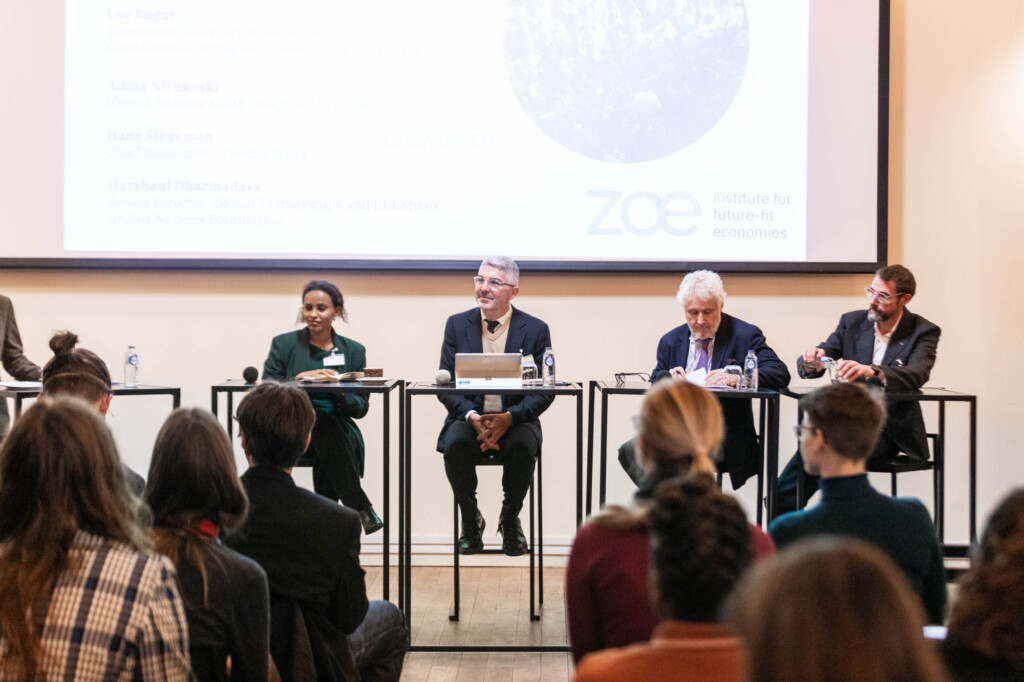
Together they raised many important ideas, and three key points emerged.
- First, while it’s an important and bold step for the European Commission President to take to appoint a Commissioner responsible for Intergenerational Fairness, the fact that we need one shows that there is a problem; intergenerational fairness isn’t being built into policies. We need to make sure that changes.
- Second, in the current European policy landscape which prioritises simplification of policies and policymaking, we need to acknowledge that short-term solutions waste resources. Long-term strategies are more efficient, and promoting strategies now that prioritise social and ecological wellbeing will create a better future. Short-term policymaking tied to political cycles as politics are shifting to the right means that we are defending the status quo, rather than moving forward and making progress on sustainability and human rights.
- Third, the future is not owned by one demographic or community. The diversity of society needs to be represented and involved in the process to decide what intergenerational fairness means and how this is shaped.
Intergenerational fairness cannot be separated from other policy areas. Rather, it is a lens through which to look at other topics and how “the needs of today can match the aspirations of tomorrow” in the words of one of the panelists. With this in mind, the event then delved into some key focus areas to consider when planning intergenerational fairness into policymaking;
- beyond GDP, or how we measure the success of an economy;
- citizen engagement and trust in government; and
- how to finance the green and just transition for the long-term benefit of society.
A fourth session, facilitated by the European Commission, explored the structure and process for the intergenerational fairness strategy that Commissioner Micallef will be responsible for.
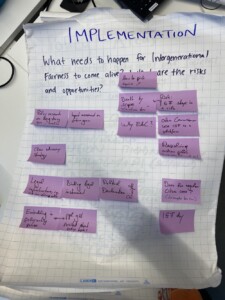
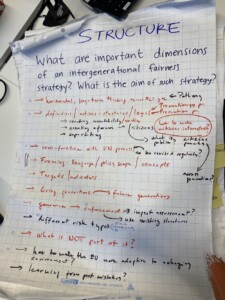
As the Commissioner and his team proceed with this strategy, kicking off with a stakeholder consultation later this month, it is promising to know that they are considering the many angles of intergenerational fairness. It is also inspiring to see how many people are interested in this topic and are making the connections to their own areas of work and what intergenerational fairness means to them.